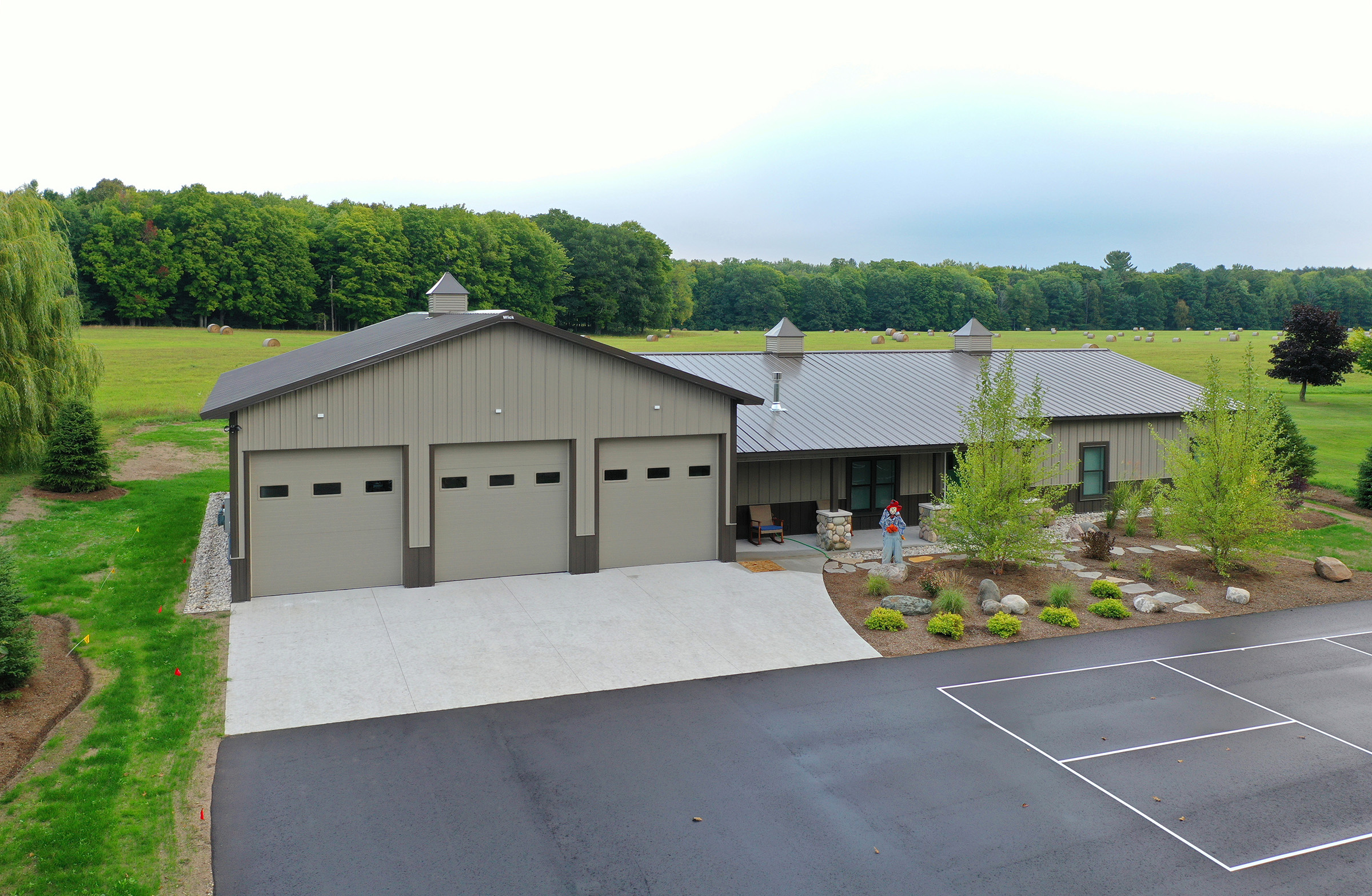
 A well-built pole barn is designed to last for decades, especially when engineered properly for Minnesota’s snow loads and climate. However, even the strongest post-frame building requires routine care. Regular maintenance protects your investment, prevents costly repairs, and ensures your structure performs well year round.
If you are searching for pole barn maintenance tips in Minnesota, this guide provides a practical, climate-specific checklist to keep your building in excellent condition.
Why Maintenance Matters in Minnesota
Minnesota weather presents unique challenges. Heavy snow, spring thaw cycles, strong winds, and seasonal moisture all impact post-frame buildings.
Without routine inspections, small issues can turn into expensive repairs. Common problems caused by neglect include:
- Roof leaks from loose fasteners
- Rust formation on metal panels
- Moisture damage from poor drainage
- Warped door frames due to settling
- Ice buildup near foundation edges
A proactive approach prevents these issues and extends the life of your building.
Seasonal Pole Barn Maintenance Checklist
Performing inspections at least twice per year, typically in spring and fall, keeps your structure in good shape. Use this checklist as a starting point:
- Inspect roof panels for loose screws, lifted seams, or damaged flashing
• Clear debris from gutters and downspouts
• Check for rust spots and treat early
• Examine overhead doors for smooth operation and seal integrity
• Look for gaps around windows and entry doors
• Confirm proper drainage away from the building
• Inspect concrete slab for cracks or settling
• Check interior for signs of condensation or moisture
Addressing minor issues early helps avoid major structural concerns later.
Roof and Snow Load Awareness
Minnesota’s heavy snow loads make roof maintenance especially important. While engineered trusses are designed for regional snow requirements, roof care still matters.
During winter:
- Monitor snow accumulation after large storms
- Remove excessive snow if buildup exceeds recommended levels
- Check for ice dam formation near eaves
- Ensure ridge vents remain unobstructed
Avoid climbing onto icy roofs. If snow removal is necessary, consider professional assistance to prevent damage or injury.
Preventing Moisture and Condensation Problems
Condensation is one of the most common maintenance concerns in Minnesota pole barns, especially in heated shops.
To reduce moisture issues:
- Maintain proper ventilation
- Use vapor barriers where appropriate
- Keep insulation dry and intact
- Monitor humidity levels in heated spaces
- Seal gaps around doors and windows
If you notice rust forming on interior panels or dripping during temperature swings, additional ventilation or insulation adjustments may be needed.
Door and Hardware Maintenance
Overhead garage doors and sliding barn doors experience heavy use, particularly in workshops or equipment storage buildings.
Routine care includes:
- Lubricating hinges and rollers
- Checking track alignment
- Replacing worn weather seals
- Tightening mounting hardware
Minnesota’s freeze-thaw cycles can cause minor shifts in framing. Keeping doors properly adjusted prevents strain and premature wear.
Concrete Slab and Foundation Care
Concrete slabs should be inspected annually for cracking or settling. Small hairline cracks are common, but widening cracks may indicate drainage or soil movement issues.
Ensure:
- Water drains away from the foundation
- Downspouts extend far enough from the building
- Soil grading slopes away from the structure
Proper drainage reduces frost heave risk and helps maintain structural stability.
Metal Panel and Fastener Inspection
Post-frame buildings rely heavily on metal panels and exposed fasteners. Over time, screws may loosen slightly due to temperature expansion and contraction.
Every few years:
- Check for loose or missing fasteners
- Replace deteriorated washer seals
- Inspect trim pieces for movement
- Touch up small rust spots before they spread
These small maintenance steps protect the exterior finish and prevent water intrusion.
Long-Term Structural Monitoring
Although pole buildings are highly durable, periodic structural review is wise. Watch for:
- Shifting posts
- Uneven floor settlement
- Truss sagging
- Interior cracking near connections
If you notice structural changes, consult a qualified post-frame contractor to evaluate the issue.
Protecting Your Investment for Decades
Pole barns in Minnesota are built to handle challenging weather conditions, but regular maintenance ensures they continue performing as designed.
A simple seasonal inspection routine helps:
- Extend roof life
- Prevent costly leaks
- Maintain energy efficiency
- Protect stored equipment and vehicles
- Preserve property value
If you are unsure about your building’s condition or notice developing concerns, consulting an experienced Minnesota post-frame builder provides peace of mind.
With proper care, a well-constructed pole barn can serve your property reliably for generations. Proactive maintenance is not just about preventing repairs; it is about protecting a long-term investment and ensuring your building remains safe, functional, and durable in every Minnesota season.