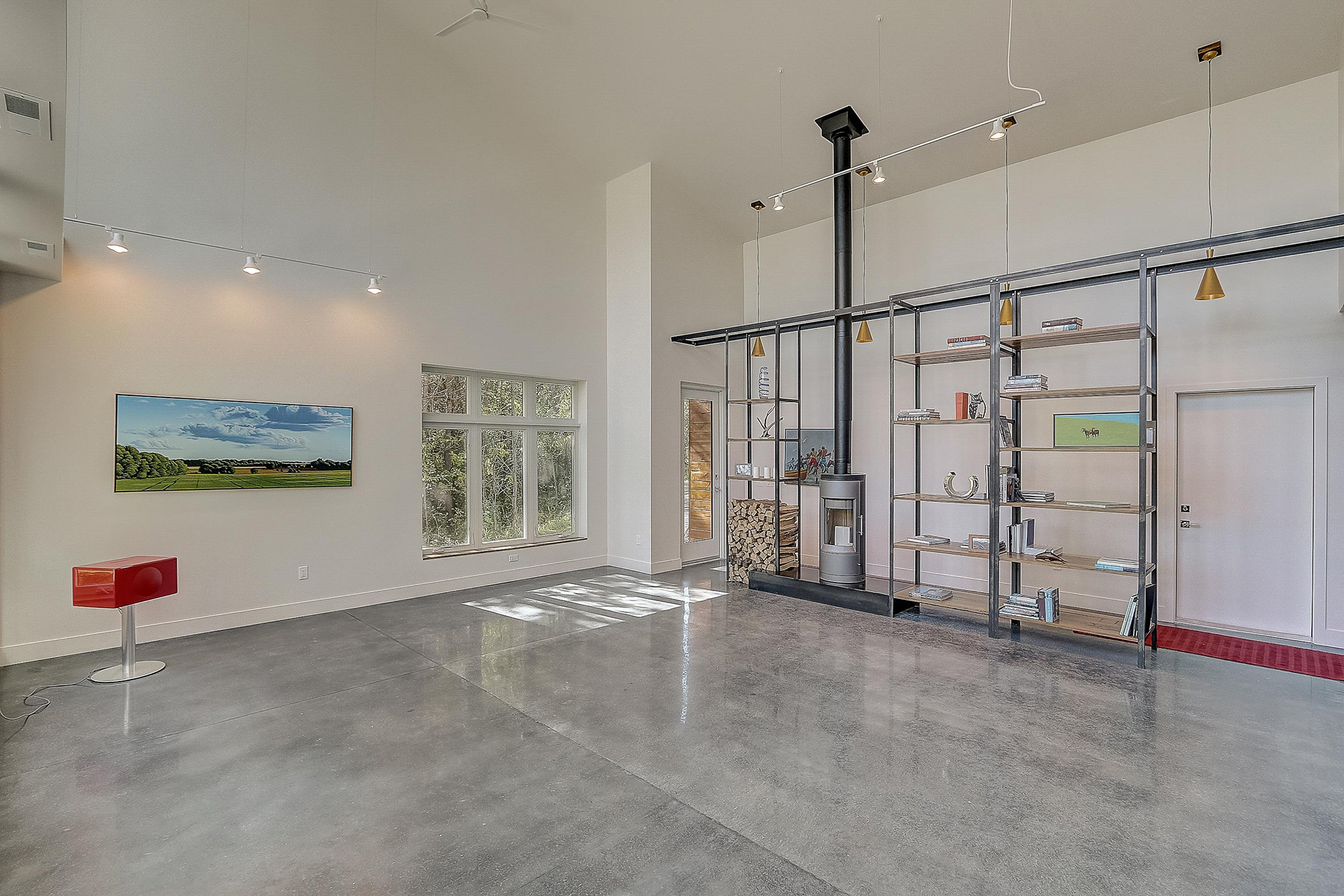
 Pole barns have evolved far beyond basic agricultural storage buildings. Across Minnesota, homeowners and business owners are embracing modern post-frame construction for garages, workshops, barndominiums, and commercial spaces that look sharp and perform well in harsh weather.
If you are searching for modern pole barn design ideas in Minnesota, this guide highlights the top trends for 2026 and practical upgrades that improve both appearance and long-term value.
Clean, Modern Exterior Styles
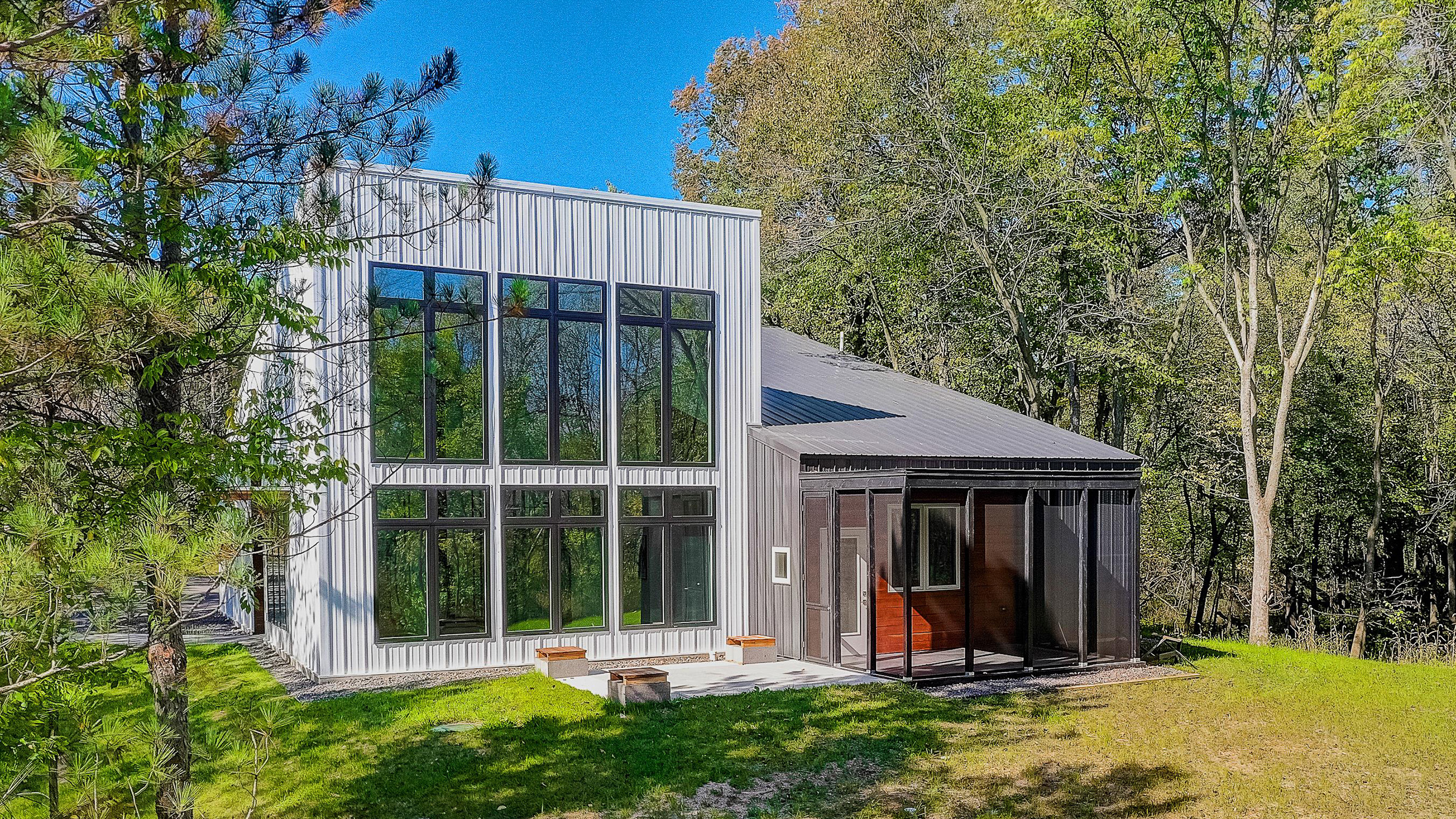 One of the biggest shifts in pole barn design is the move toward cleaner architectural lines and residential-style finishes. Today’s post-frame buildings often feature:
- Vertical metal siding for a contemporary look
- Matte black or charcoal trim packages
- Contrasting wainscoting panels
- Dark-framed windows
- Minimal overhang detailing
Black, charcoal, and deep earth tones remain popular across Minnesota. These colors blend well with wooded properties and rural settings while giving buildings a high-end appearance.
Vertical siding, in particular, continues gaining traction because it sheds snow and rain effectively while offering a modern aesthetic.
Larger Windows for Natural Light
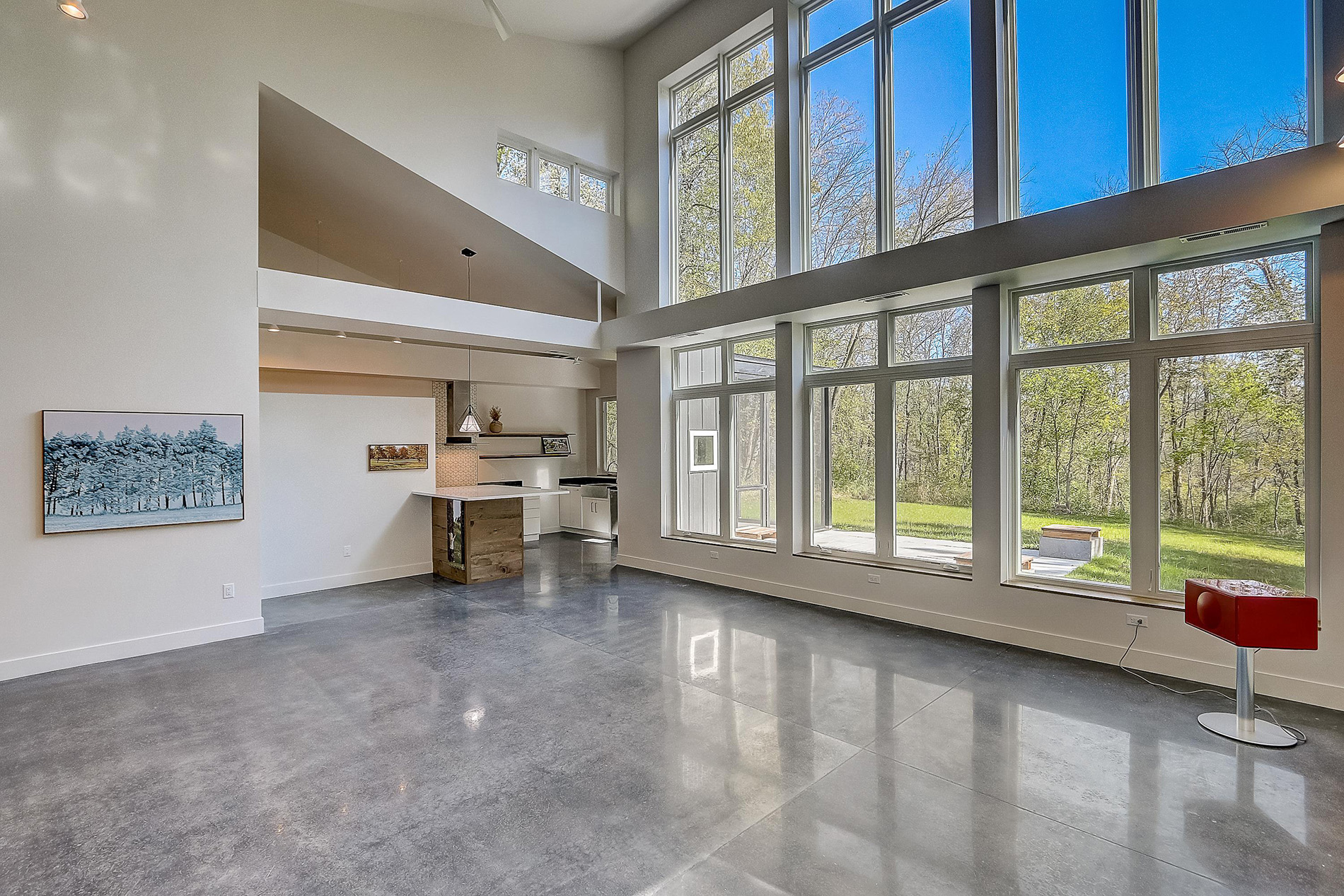 Natural light is becoming a priority in workshop and hobby pole barns. Instead of small utility windows, many designs now incorporate:
- Full-height vertical window panels
- Clerestory windows
- Transom windows above overhead doors
- Multiple evenly spaced wall windows
Beyond aesthetics, added natural light reduces electricity usage and creates a more comfortable interior workspace during Minnesota’s shorter winter days.
When planning windows, placement should balance light, wall strength, and energy efficiency.
Mixed Materials and Custom Finishes
Another growing trend in Minnesota pole barn design is combining metal siding with complementary materials. Popular combinations include:
- Stone or brick accents on the lower facade
- Wood-look steel siding
- Decorative cupolas
- Timber-style porch posts
- Steel and wood hybrid entry features
These upgrades help a pole building blend seamlessly with nearby homes or existing farm structures.
Even small architectural details can dramatically elevate the finished appearance.
Higher Sidewalls and Open Interiors
Functionality continues driving design decisions. Many Minnesota property owners now request:
- 12 to 16 foot sidewalls
- Wide clear-span interiors
- Oversized overhead doors
- Interior mezzanine storage
Higher ceilings create flexibility for future equipment purchases, RV storage, or vehicle lifts. Open spans without interior load-bearing walls allow adaptable layouts for workshops or commercial use.
Building slightly taller from the beginning often provides more long-term versatility.
Energy-Efficient Design Features
With rising energy costs, energy efficiency is no longer optional. Many modern pole barns in Minnesota now include:
- Spray foam insulation for superior air sealing
• Insulated overhead garage doors
• Radiant floor heating systems
• Ridge vents for moisture control
• Slab edge insulation
Because Minnesota winters are demanding, planning insulation during the design phase ensures year-round usability and lower operating costs.
Energy-efficient buildings not only feel more comfortable but also protect tools, vehicles, and stored equipment from moisture-related damage.
Barndominium-Inspired Aesthetics
The popularity of barndominiums continues influencing pole barn design. Even non-residential buildings are adopting residential-style elements such as:
- Covered porches
- Decorative gable trusses
- Board-and-batten inspired metal panels
- Accent lighting
- Symmetrical facade layouts
These design cues create a more polished, cohesive appearance that enhances property value.
For property owners considering future living space conversion, planning structural and insulation upgrades early makes expansion easier later.
Smart Layout Planning
Modern design is not only about appearance. Layout planning plays a major role in overall satisfaction.
Before finalizing plans, consider:
- Traffic flow for vehicles and equipment
- Door placement relative to driveway access
- Future expansion possibilities
- Interior office or storage rooms
- Utility placement for plumbing or electrical panels
Designing with flexibility in mind prevents costly changes after construction begins.
Snow Load and Structural Design in Minnesota
While aesthetics matter, structural integrity remains critical. Minnesota’s snow load requirements vary by region and significantly influence truss design, spacing, and roof pitch.
Modern pole barns must be engineered to:
- Handle regional snow loads
- Resist wind exposure
- Manage drainage effectively
- Protect against freeze-thaw cycles
A visually appealing building must also meet structural demands. Proper engineering ensures durability without compromising design goals.
Blending Style with Practicality
The best pole barn designs balance appearance, performance, and long-term function. Trends may influence color or trim packages, but layout efficiency and structural planning ultimately determine satisfaction.
Whether you envision a sleek modern workshop, an upgraded agricultural building, or a hybrid residential-style structure, thoughtful design transforms a basic post-frame building into a standout addition to your Minnesota property.
Working with an experienced post-frame builder ensures your design choices align with climate demands, zoning requirements, and long-term use goals. With the right planning, your 2026 pole barn can deliver both modern style and Minnesota-ready durability for decades to come.