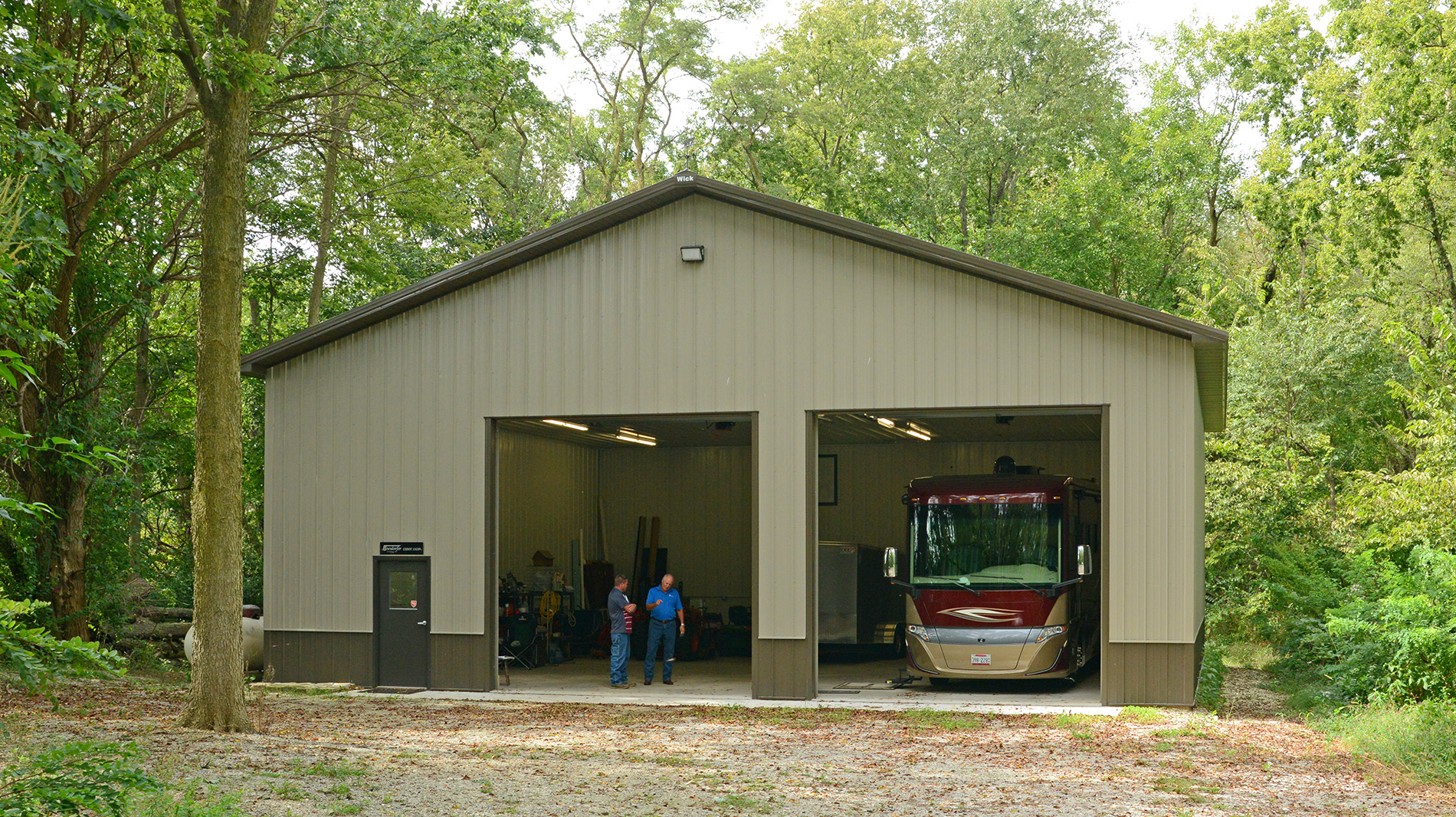
 When most people think of a pole barn, they picture simple storage. In reality, modern post-frame buildings are far more versatile. Across Minnesota, homeowners, hobbyists, farmers, and small business owners are using pole barns for everything from heated workshops to commercial space.
If you are searching for pole barn ideas in Minnesota, this guide will help you explore practical, high-value uses and how to design your building for long-term flexibility.
RV and Boat Storage Pole Barns
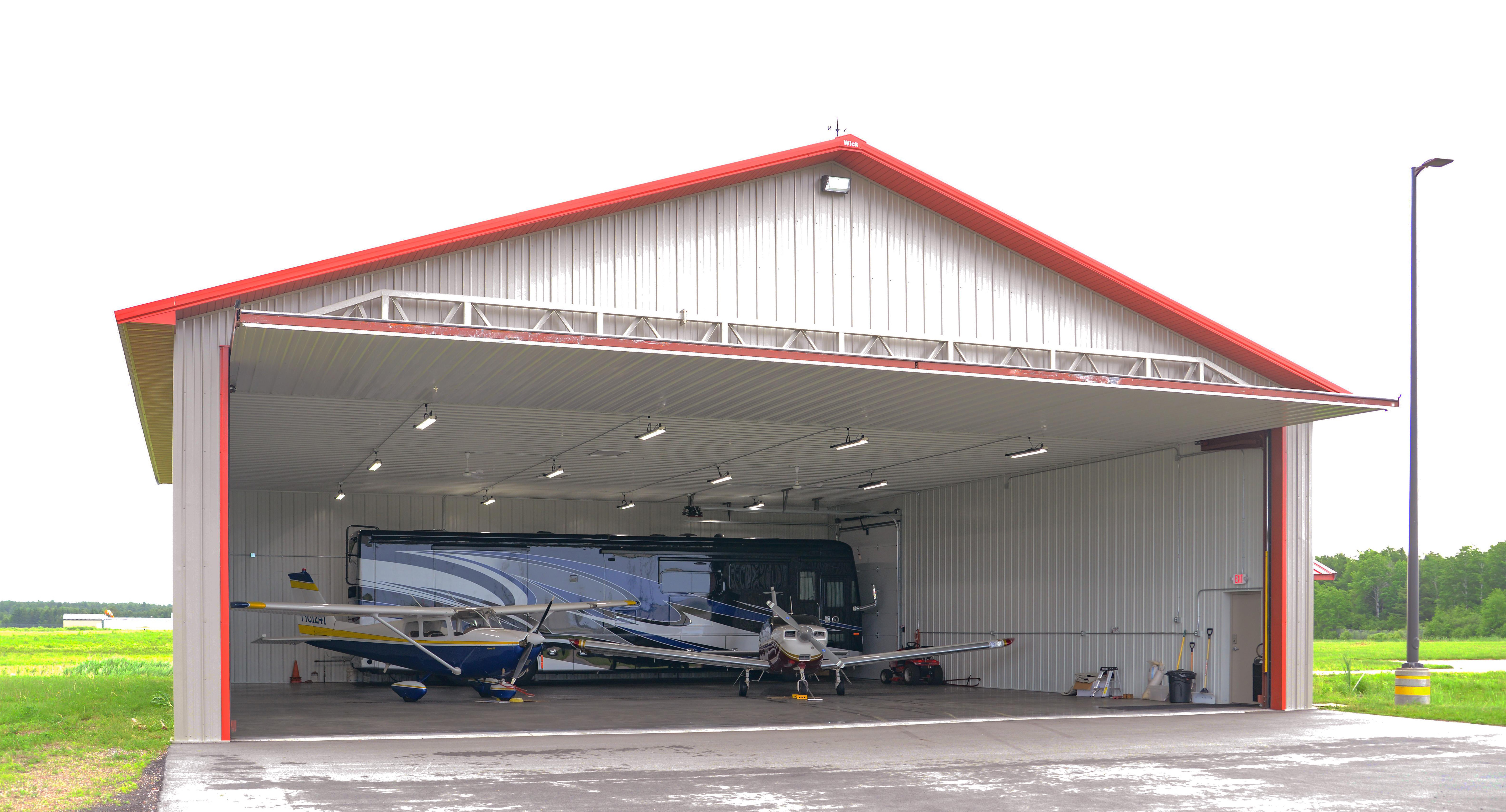 Minnesota’s outdoor lifestyle means many property owners need space for RVs, campers, boats, and trailers. Storing these investments outdoors exposes them to snow, ice, UV damage, and moisture.
A properly designed RV pole barn can include:
- Oversized overhead doors for tall motorhomes
- Extra ceiling height for clearance
- Concrete slab flooring for easy maintenance
- Insulation to reduce condensation
- Electrical hookups for battery charging
Designing for height and door width from the beginning prevents costly modifications later. Many Minnesota customers choose at least 14-foot sidewalls for RV storage applications.
Heated Pole Barn Workshops
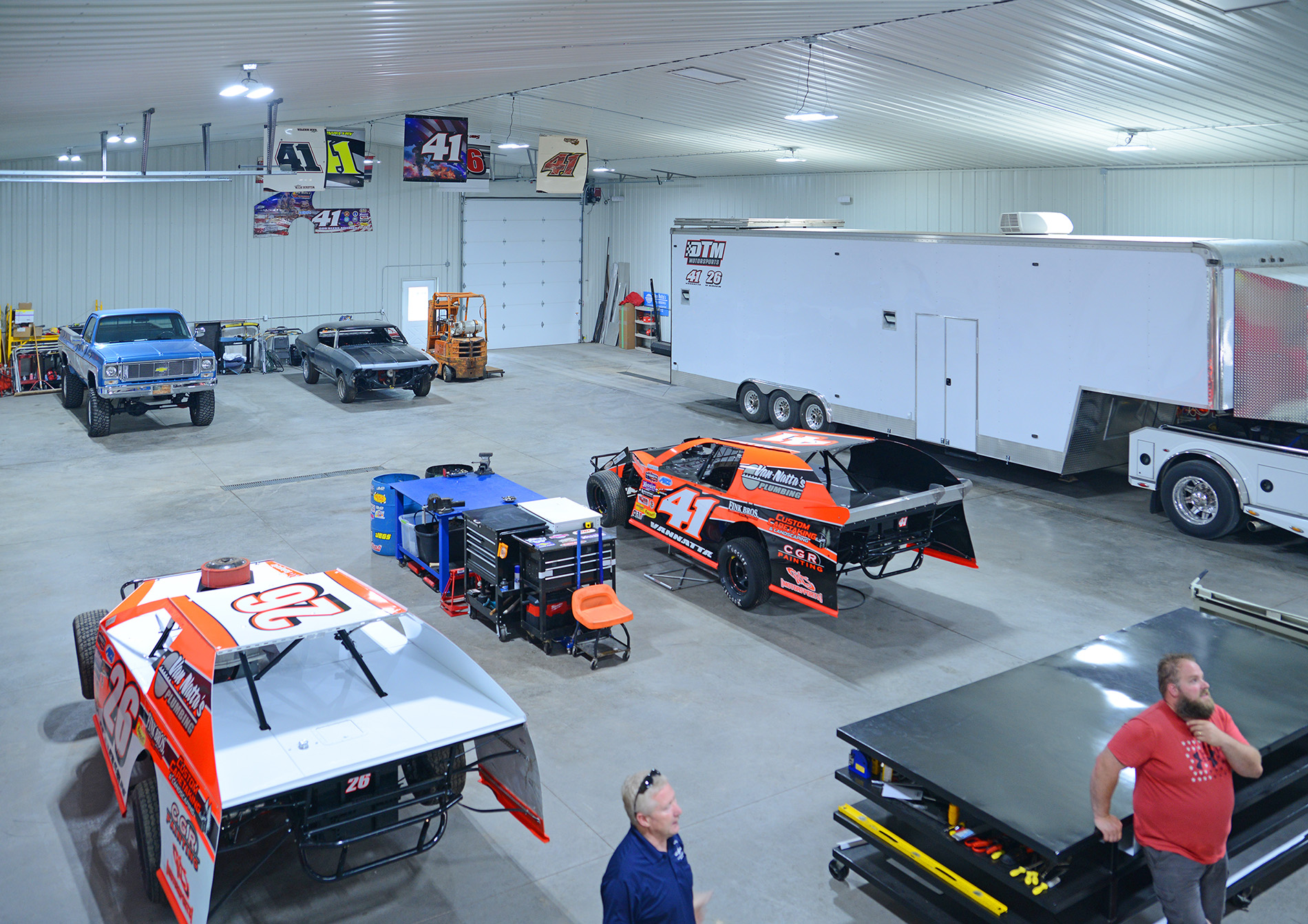 Workshops are one of the most popular uses for pole buildings in Minnesota. Whether you are restoring vehicles, woodworking, welding, or running a small service business, a heated workshop provides year-round productivity.
Key features to consider:
- Spray foam or high R-value wall insulation
- Radiant floor heat for winter comfort
- Adequate lighting and electrical capacity
- Floor drains for snow melt runoff
- Insulated overhead doors
Because Minnesota winters are severe, insulation and heating strategy should be built into the design from day one. A well-insulated workshop reduces energy costs and improves comfort.
Hobby Spaces and Recreational Buildings
 Pole barns are also ideal for hobby use. From personal gyms to golf simulators, indoor sports practice areas, and entertainment spaces, post-frame construction offers wide clear spans without interior load-bearing walls.
Popular recreational ideas include:
- Home fitness studios
- Golf simulators
- ATV and snowmobile storage
- Indoor batting cages
- Entertainment lounges
The flexibility of post-frame framing allows open layouts that are difficult to achieve with traditional construction at the same cost point.
Small Business and Commercial Use
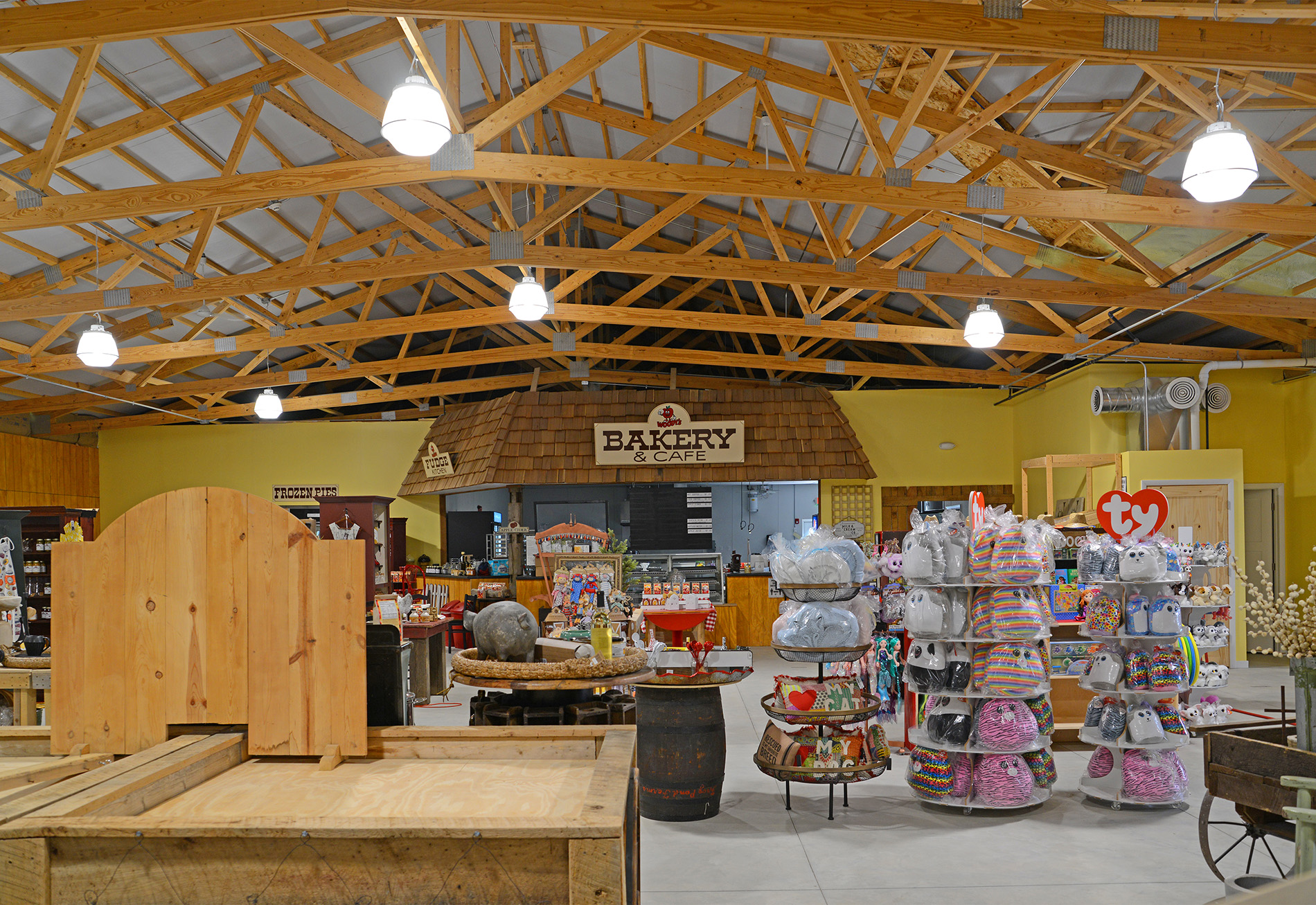 Across rural and suburban Minnesota, small business owners are using pole buildings as cost-effective commercial space. These structures work well for:
- Landscaping companies
- Construction contractors
- Equipment repair shops
- Storage and distribution
- Agricultural service operations
Compared to traditional commercial construction, pole buildings often provide faster build times and lower overall investment while still meeting Minnesota building code requirements.
When designing for commercial use, consider future expansion. Many post-frame buildings can be extended later if planned properly.
Agricultural and Equipment Storage
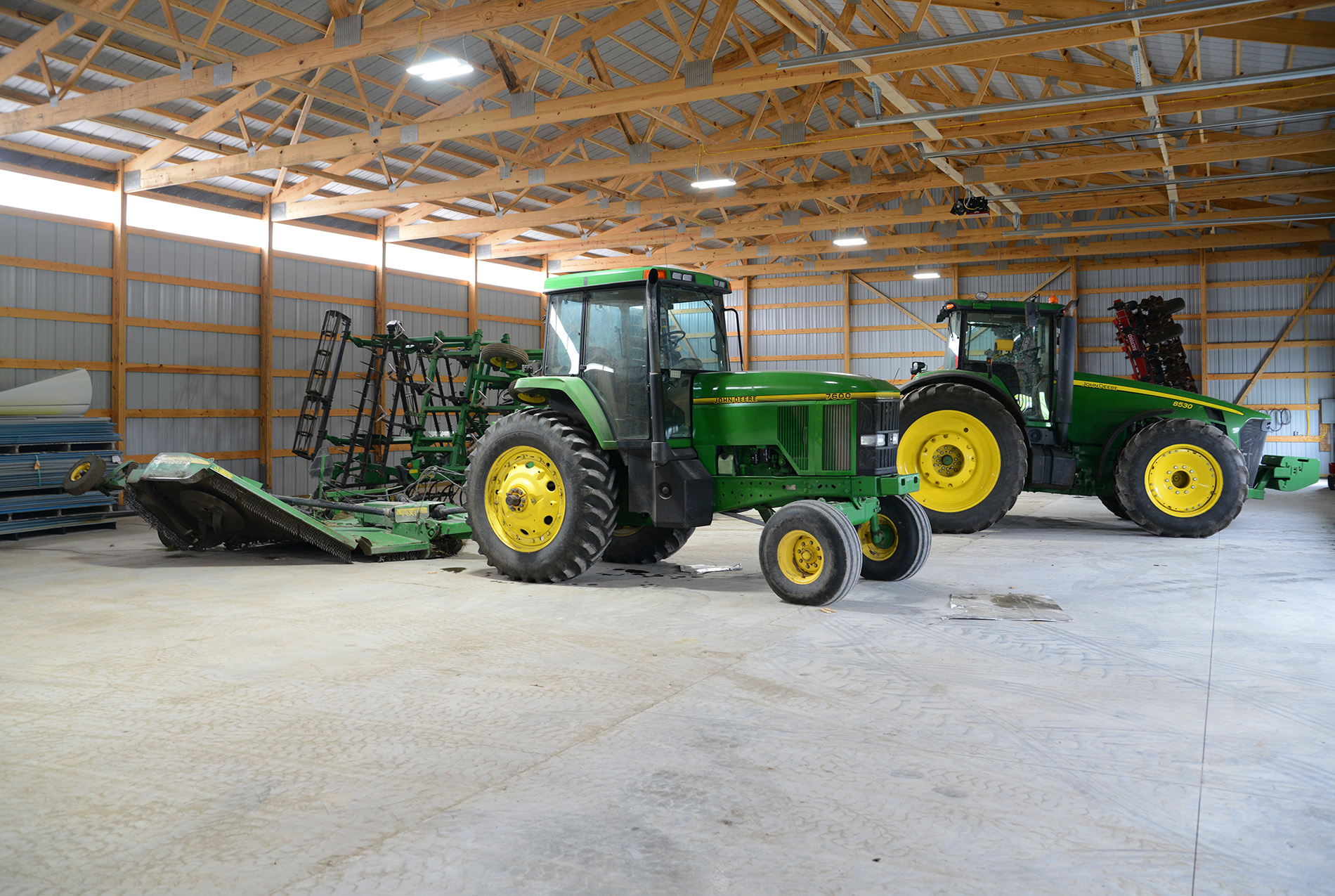 Post-frame buildings remain a staple in Minnesota agriculture. Farmers rely on pole barns for machinery storage, livestock housing, and feed protection.
Design considerations for agricultural buildings include:
- Wide door openings for equipment access
- Proper ventilation
- Durable metal siding and roofing
- Concrete or compacted gravel floors
- Snow load engineering specific to your county
Because Minnesota snow loads vary by region, engineering should be customized to local requirements.
Design Features That Add Long-Term Value
Beyond basic functionality, thoughtful design upgrades improve both usability and property value. Consider adding:
- Lean-tos for covered exterior storage
• Wainscoting for durability and visual contrast
• Overhangs to manage snow and rain runoff
• Multiple entry points for workflow efficiency
• Windows for natural light
Choosing practical upgrades at the beginning is typically more cost-effective than retrofitting later.
Planning for Minnesota’s Climate
Minnesota weather affects how you design your pole barn. Snow load ratings, wind exposure, frost depth, and drainage must all be considered during planning.
Important factors include:
- Engineered trusses rated for local snow loads
- Proper site grading and drainage
- Moisture control and vapor barriers
- Slab insulation for heated buildings
A pole barn designed for Minnesota conditions performs better and lasts longer.
Choosing the Right Size and Layout
One of the most common mistakes is building too small. Many property owners wish they had added extra width or height once they begin using the space.
Before finalizing your design, think about:
- Future equipment purchases
- Additional vehicles
- Business growth
- Interior office or storage areas
A slightly larger building at the start often provides better long-term value.
Turn Your Vision Into a Functional Building
Pole barns in Minnesota are no longer just simple sheds. They are adaptable structures that can serve residential, recreational, agricultural, and commercial purposes.
Whether you need RV storage, a heated workshop, business space, or agricultural protection, thoughtful planning ensures your building supports your goals for years to come.
Working with an experienced Minnesota post-frame builder helps you design a structure tailored to your property, intended use, and local climate requirements. With proper engineering, insulation planning, and layout strategy, your pole barn can become one of the most valuable and functional additions to your property.